
Tennis and Plantar Fasciitis: Causes, Prevention, and Shoe Recommendations
By: Tracy Rolling
Plantar fasciitis is one of the most common causes of heel pain, especially among active adults and athletes. For tennis players, the stop-and-go movement, explosive sprints, and frequent lateral cuts can put significant strain on the feet — making proper tennis shoes essential for both performance and injury prevention.
What Is Plantar Fasciitis?
The plantar fascia is a thick band of tissue that runs along the bottom of your foot, connecting your heel bone to your toes. Its job is to support the arch of your foot and absorb shock when you walk, run, or jump. When this tissue becomes irritated and inflamed due to overuse, strain, or improper support, it leads to plantar fasciitis.
The most common symptom is a sharp, stabbing pain in the heel — often worse with the first steps in the morning or after long periods of rest. For tennis players, pain may intensify after a match or practice session, especially on hard courts where impact forces are higher.
Why Tennis Players Are at Risk
Tennis is uniquely demanding on your feet. Whether you’re picking up a racquet for the first time or have been competing for years, proper footwork is essential for balanced, powerful, and consistent shots. Quick pivots, explosive split steps, sudden acceleration, and constant lateral movement can place significant stress on the plantar fascia — especially over time.
Leading factors why tennis players are prone to foot pain and plantar fasciitis include:
- You wear shoes with poor arch support
- Your shoes are worn out and no longer absorb shock
- You play frequently on hard courts
- You have flat feet or very high arches
Without proper support, repetitive stress can gradually inflame the plantar fascia, leading to chronic discomfort.
How the Right Tennis Shoes Help
Wearing the correct tennis shoes can significantly reduce your risk of developing plantar fasciitis. Here’s what to look for:
1. Strong Arch Support
Shoes that properly support your arch help distribute pressure evenly across your foot and reduce strain on the plantar fascia.
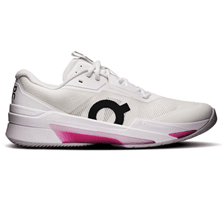
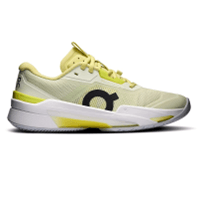
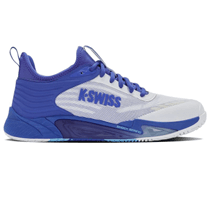
2. Cushioning and Shock Absorption
Hard courts generate high impact. Shoes with responsive cushioning absorb shock and protect your heel.
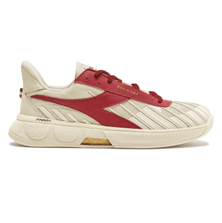
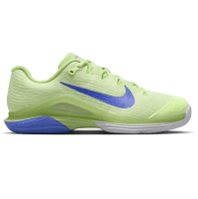

3. Stability for Lateral Movement
Unlike running shoes, tennis shoes are designed for side-to-side movement. Proper stability prevents excessive foot rolling that can strain the plantar fascia.
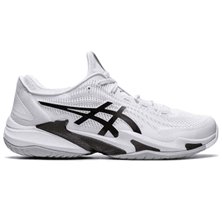
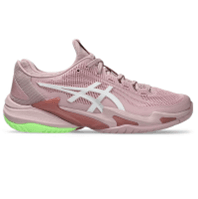
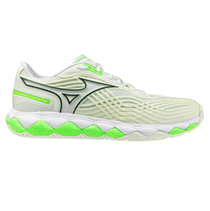
4. Proper Fit
Shoes that are too tight or too loose can alter your foot mechanics and increase stress on the plantar fascia.
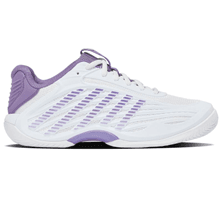
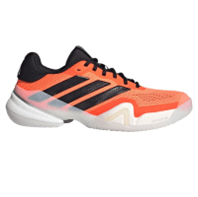
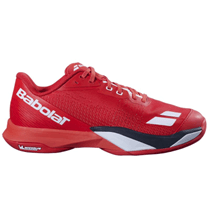
Additional Recommendations
While the best tennis shoes depend on your foot type and playing style, several models are consistently praised for comfort and support. Read player reviews and consider brands that have worked for you in the past.
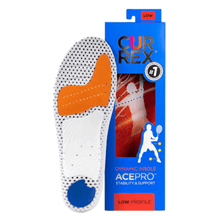
If you’re already experiencing heel pain, consider adding a high-quality orthotic insole designed for plantar fasciitis support.
Final Thoughts
Plantar fasciitis can sideline even the most dedicated tennis player, but prevention is key. Investing in the right tennis shoes — with proper arch support, cushioning, and lateral stability — can protect your feet and keep you performing at your best.
Your game starts from the ground up, so make sure your footwear supports every step.
Visit Midwest Racquet Sports, where champions shop smart! GEAR UP. GAME ON.