
How Weather Wrecks Padel Rackets (And How to Stop It)
By Conor Shields
No matter where you play, your racket lives a rough life. Whether you're dealing with humid summers in the Midwest, desert heat in the Southwest, or freezing winters up north, your racket goes from an air-conditioned car to a blazing-hot court — then gets left in a cold trunk overnight.
Most players never think twice about it. But that swing in temperature is one of the fastest ways to quietly kill a racket's performance, long before it ever cracks.
Padel rackets aren't solid wood or metal. They're built from a fiberglass or carbon fiber face bonded over an EVA or foam core, held together with resin and adhesive. Every one of those materials reacts to heat, cold, and moisture differently — and when they expand and contract at different rates, that's when rackets start to fail.
🌡️ Heat: The Silent Killer
Leave a racket in a hot car and its internal temperature can climb well past 140°F — far hotter than it feels outside. At that point:
- The resin holding the face to the core starts to soften
- The foam core loses density
- The glue lines weaken
You won't see a crack. You'll just notice, a few weeks later, that your racket feels "dead" — less pop, less rebound, and a sweet spot that's shrunk. That's early delamination, and it's not reversible.
❄️ Cold: Brittle and Breakable
Cold does the opposite damage. When an EVA or foam core drops below the mid-50s°F, it stiffens up and loses flexibility. A racket that's cold to the touch is more prone to hairline cracks and edge chips on impact — especially on that first hard smash of the session before the racket has had a chance to warm up.
💧 Humidity and Sudden Swings
Moisture works on the grip and edge protection tape first — causing peeling and a slippery handle — but over time it can also seep into the core through worn edges. And temperature swings (cold car to hot court, or vice versa) create internal stress as materials expand and contract at different rates, the same way a cold glass can crack under a rush of hot water.
That's often the real story behind a racket that suddenly "just cracked" for no obvious reason.
Simple Storage Rules That Actually Work
- ✓ Keep rackets between roughly 59–77°F when not playing — never in a hot trunk or a cold garage overnight
- ✓ Use a padded, insulated racket bag rather than a thin cover — especially in summer and winter
- ✓ Keep rackets out of direct sunlight, even inside a car — dashboards and rear windows get dangerously hot
- ✓ Let a racket adjust to room temperature for 15–20 minutes before playing if it's been in extreme heat or cold
- ✓ Wipe down moisture after humid or rainy sessions before storing in a bag
The Easiest Fix: A Real Racket Bag
A thin neoprene cover does almost nothing against a hot trunk or a freezing garage. A proper padel bag is built to fight that battle for you.
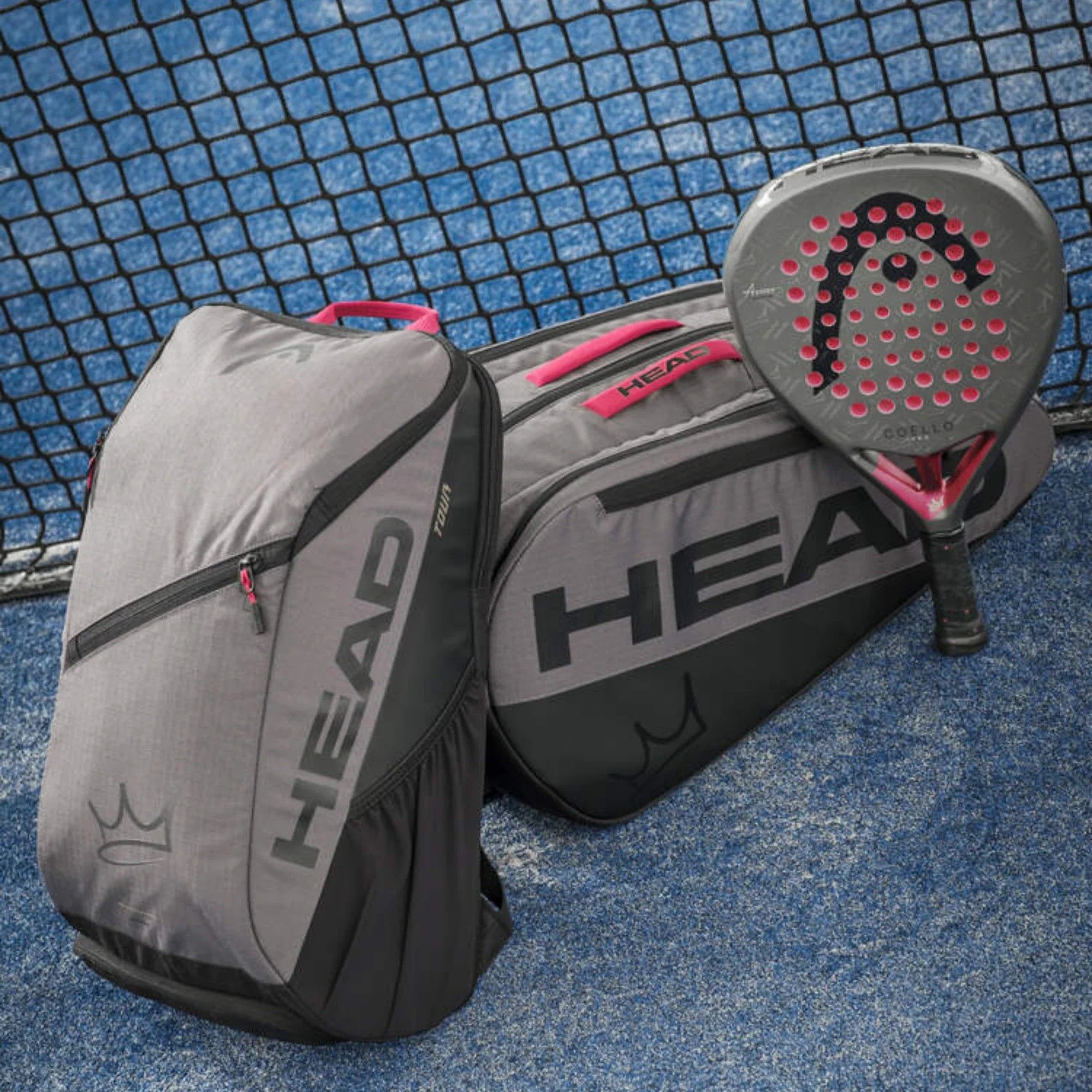
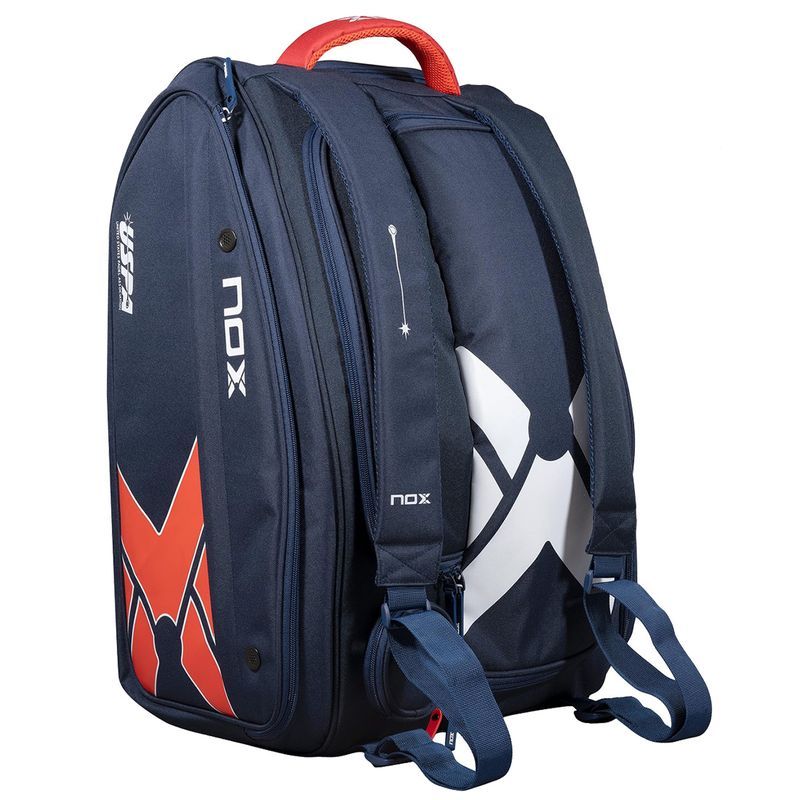
HEAD's padel bags use their CCT+ thermal lining in the racket compartment, which reflects heat and keeps the interior far more stable than the outside air — the same idea behind NOX's Thermo-lined bags. That buffer is what keeps your core from softening in a parking lot in July or stiffening up in a car overnight in January.
It's one of the cheapest upgrades you can make relative to the cost of a racket.
When It's Time for a New Racket
Even with good habits, weather damage adds up over a season or two. Your racket is telling you it's done if you notice any of these signs:
Most padel rackets last somewhere between one and two years of regular play before performance starts to drop off — closer to a year if you're playing several times a week, longer if you're a casual player who takes good care of your gear. Weather abuse shortens that window fast.
If you're not sure whether your current racket is past its prime or just needs some TLC, stop by our Cincinnati store — our staff can help you find the right weight, balance, and shape for your game.
Ready for your next padel racket?
We carry padel rackets from HEAD and other leading brands built to handle real playing conditions.
Shop in-store or online at Midwest Racquet Sports.
GEAR UP. GAME ON.