
10 Common Tennis Mistakes - and How to Fix Them
By: Tracy Rolling
Whether you’re just picking up a racquet or getting back to the game, tennis can be as rewarding as it is challenging. Every player - from beginner to seasoned - makes mistakes. Some slip-ups are an easy tweak to your gear or technique. Other solutions take time and dedication. The real key is knowing what to look for — so that you can fine-tune your game and keep improving.
Here are 10 common tennis mistakes and how to fix them — along with a few insider tips from the pros.
1. Using the Wrong Racquet
Your racquet can make or break your game. While some beginners choose one that’s too heavy, too light, or strung at the wrong tension, some intermediate players have yet to discover how much today’s racquet technology can improve their game.
Fix: Look for the right racquet based on your swing speed, grip size, and experience level. As a rule of thumb, a balanced, mid-weight racquet often helps new players find control without sacrificing power.
Pro Tip: Beginners check out these 3 prestrung racquets Babolat Boost Aero, Head Titanium Ti S6, Dunlop SX Team 105 or these 3 unstrung beginner racquets: Wilson Burn 100ULS v5, Head Extreme Elite 2024, Diadem Nova Lite v3.
Intermediate players take advantage of demo programs, which will help you playtest and hone in on the most updated racquet versions and the technology each offers.

2. Wearing Running Shoes on the Court
Running shoes are a big NO-NO on the court. They’re designed for straight-ahead motion, but tennis demands quick, multi-directional movement. True court shoes are built for the job — they offer lateral stability, cushioning, and ankle support to keep you steady and help prevent injuries with every pivot and sprint.
Fix: Invest in quality tennis shoes from trusted brands like ASICS, Adidas, and K-Swiss.
3. Clutching the racquet
Don’t hold your racquet with a death grip, which limits your flexibility, creating miss-hits and even arm fatigue.
Fix: Relax your hand. A loose grip improves control and reduces the risk of tennis elbow. An overgrip can also make your racquet feel more comfortable and secure.
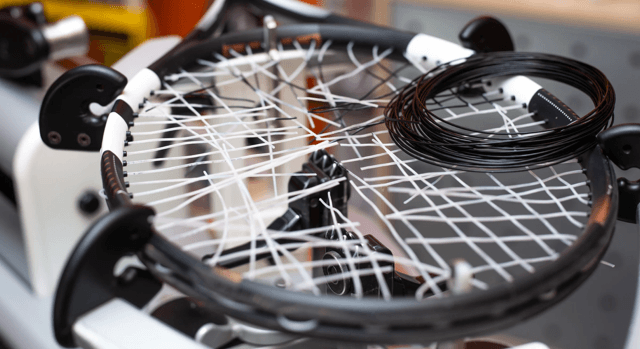
4. Neglecting Your Strings
Strings lose tension over time — whether your racquet just sits in your bag or is exposed to severe weather conditions such as heat and humidity. Loose or worn strings can make your shots unpredictable and cause unforced errors.
Fix: Restring regularly. As a rule of thumb, restring your racquet as many times per year as you play per week.
Pro Tip: Consider Hybrid Strings such as Babolat *HYBRID* RPM Blast 17G - Touch VS Natural Gut 16G for durability, comfort, and power.
5. Skipping Warm-Ups and Cool-Downs
Jumping straight into play increases your risk of muscle strain, injury, and a lot of missed or framed shots.
Fix: Take 5–10 minutes to warm up — loosen your muscles, get your feet moving, and tune up your hand-eye coordination before you start hitting. A short stretch after your match will also help reduce soreness and speed up recovery so you’re ready for your next session.
6. Hitting Without Follow-Through
Stopping your swing too soon robs your shots of both power, top spin, and accuracy.
Fix: Always finish your stroke. Imagine your racquet continuing its path toward your target. Pros like Novak Djokovic and Iga Świątek emphasize smooth, full follow-through for consistent results.
Pro Tip: Have a friend video you playing so you can check whether you’re finishing your swing properly — it’s one of the quickest ways to spot and correct this basic tennis mistake.
7. Using Bad Balls
Playing with tennis balls that have lost their internal pressure, can cause arm and shoulder strain, inconsistent bounces, and make your shots seem weak or off target.
Fix: Check your tennis balls before every session — squeeze them lightly; if they feel soft or don’t bounce above your waist from shoulder height, it’s time for a new can.
8. Out of Position
Having a rigid stance or standing flat-footed slows your reaction time and makes it harder to return even routine shots.
Fix: Bend your knees and stay light on the balls of your feet. Maintain that athletic “ready position” — just like the pros — so you’re balanced and prepared to run for the ball.

9. Overlooking Hydration and Comfort Gear
Tennis is a physically demanding sport, and even short matches can cause fatigue if you’re not properly hydrated or equipped.
Fix: Drink plenty of water before, during and after your match. Wear moisture-wicking apparel to stay cool and dry, and use comfort gear like wristbands and headbands to help manage sweat.
10. Trying too Hard
It’s tempting to go for the big winner, but during critical points, power without precision can cost you the game, set, or match.
Fix: Prioritize consistency over force. A well-placed, controlled shot will earn you far more points than a wild, high-risk swing. As your technique improves, your timing will sharpen and the natural power will follow.
🎯 Final Thoughts
Every player starts somewhere, and mistakes are just part of the learning process. With the right gear and guidance, you’ll transition from frustration to forward progress.
Start playing your best tennis now at Midwest Racquet Sports. GEAR UP. GAME ON.